Unless you've been living under a rock or have been restricted access to any newspaper, the much-awaited EU referendum is upon us.
Thursday 23rd June is possibly the most important referendum in British history. It will dictate whether the United Kingdom will hold a position within the European Union.
The million dollar question in all of this is, what exactly is the EU???
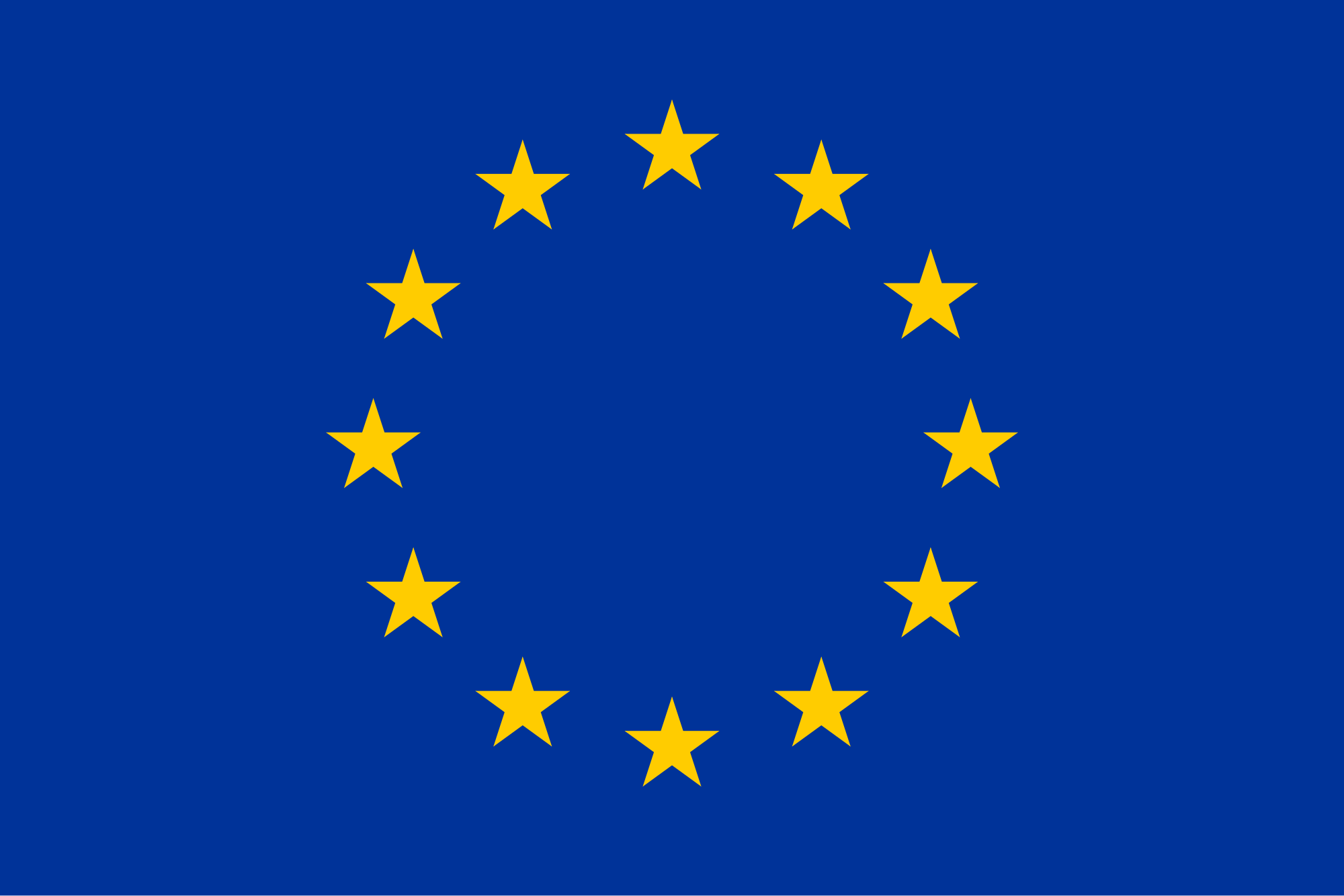
The European Union is an economic and political union consisting of 28 member states, five years after WWII ended, both France and Germany devised a plan to make sure that both neighboring countries will not go to war with one another. As a result, six countries Belgium, France, Germany, Italy, Luxembourg and the Netherlands signed a deal to form a unified market system and pool their coal and steel resources in 1950. The United Kingdom joined the EU on 1st January 1973 making it a historic moment in British history.
"Better late than never," we thought to ourselves as we prepared to teach a lesson to a class full of wide-eyed Year 8 students about the EU referendum that occurred today.
To start off, we eased into the issue asking what they already knew. Much to our surprise, we find out they knew quite a lot with one student in particular who was extremely well-informed. Pretty impressive.
We taught them the basics of a referendum, what it is and what it entails. We described to the students on why the EU had originated and what the effects of leaving the EU actually are. Though these 13-year-olds did hold some sense of what it is, it's unfortunate that many youngsters seem to have no clue concerning the importance that the EU holds. With this lesson, we hoped we can at least educate a small group of the future electorate. Though they themselves will not be able to vote upon the issue, hopefully, they can help inform their parents/relatives and at least be mildly aware of what exactly is happening in their country.
We explained to the curious students that back in 2013, David Cameron promised that if his political party, the Conservatives, won the next general election, then he would let voters have their say on whether or not the UK should stay in or leave the European Union. We also told them about the pros and cons of leaving/ remaining the EU are where leaving the EU would result in an immediate cost saving as the country would no longer contribute to the EU budget but of course this can be completely rebutted by the single market included with membership in the EU, shared intelligence with all member states and the skilled workers that derive from migrant workers.

Through the mini-referendum, we held in the class, its safe to assume that majority of the students would choose to remain in the EU, with only 2 rebelling against the majority.
The successful lesson only makes us more curious for the results from today, the polls currently show how divided the public are on the issue, with an almost 50/50 split.
Unless its completely inaudible, the enthusiastic scream of 'stay in' could perhaps be shown to the public before voting today. Rather listen to 13 year olds and not Nigel Farage no?


Contender for best selfie?
ReplyDelete100%
DeleteWhat a nice selfie :)
ReplyDelete